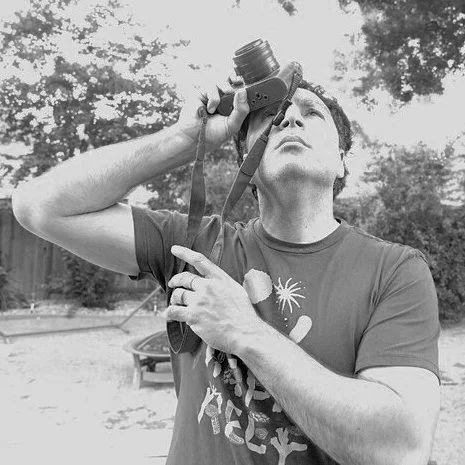
"Where's My Cup?" director Yehuda Sharim
A multi-media event, making connections between carceral genocide, occupation, and immigration, hosted by the director of "Where's My Cup?", Yehuda Sharim, who will show clips from his recent films and question the role of cinema in a world dominated by structures of harm and cruelty.
The state and federal prisoner population of those 65 and older has grown at a rate 94 times faster than the overall prison population. Prisons are becoming de facto nursing homes. Geriatric, compassionate, or medical release is rarely applied in our country. In Virginia, where we filmed, in 2024, only 8 people were granted conditional geriatric release from the 7,625 people aged 50 and older. Invisible and isolated, they struggle with unmet needs in prison and also upon release.
Each year in prison takes two years off a prisoner’s life expectancy. With accelerated aging, they also experience more chronic and life-threatening illnesses years earlier than those in the general population.
The financial cost for geriatrics in prison is staggering and rising – between $60,000 and $70,000 per year per person, primarily due to the increased healthcare needs.
The human cost is beyond measure.
Yehuda Sharim is a writer, filmmaker, poet, and photographer. His work reflects on the relationship between the quotidian and the poetic to explore new potentialities of the imagination. Oscillating between fiction, improvisation, and real-life events, Sharim’s work offers an intimate portrayal of those who refuse to surrender amidst daily devastation and culminating strife, offering a vision for equality and renewed solidarity in a divisive world. He roots his work firmly within the discourse of imagination, immigration, and displacement, shedding light on the changing constructions of home and belonging. Sharim’s films and images incorporate an ongoing exploration of new forms of storytelling, performative acts, dreams, and the lyrical potential of liberation with a precise aim: social and personal justice. His work also explores site-specificity and engages community members and untrained actors in reimagining new forms of social activism.
Learn more about Yehuda Sharim: