Meet the Filmmakers at the Heirs of Oscar Micheaux Showcase
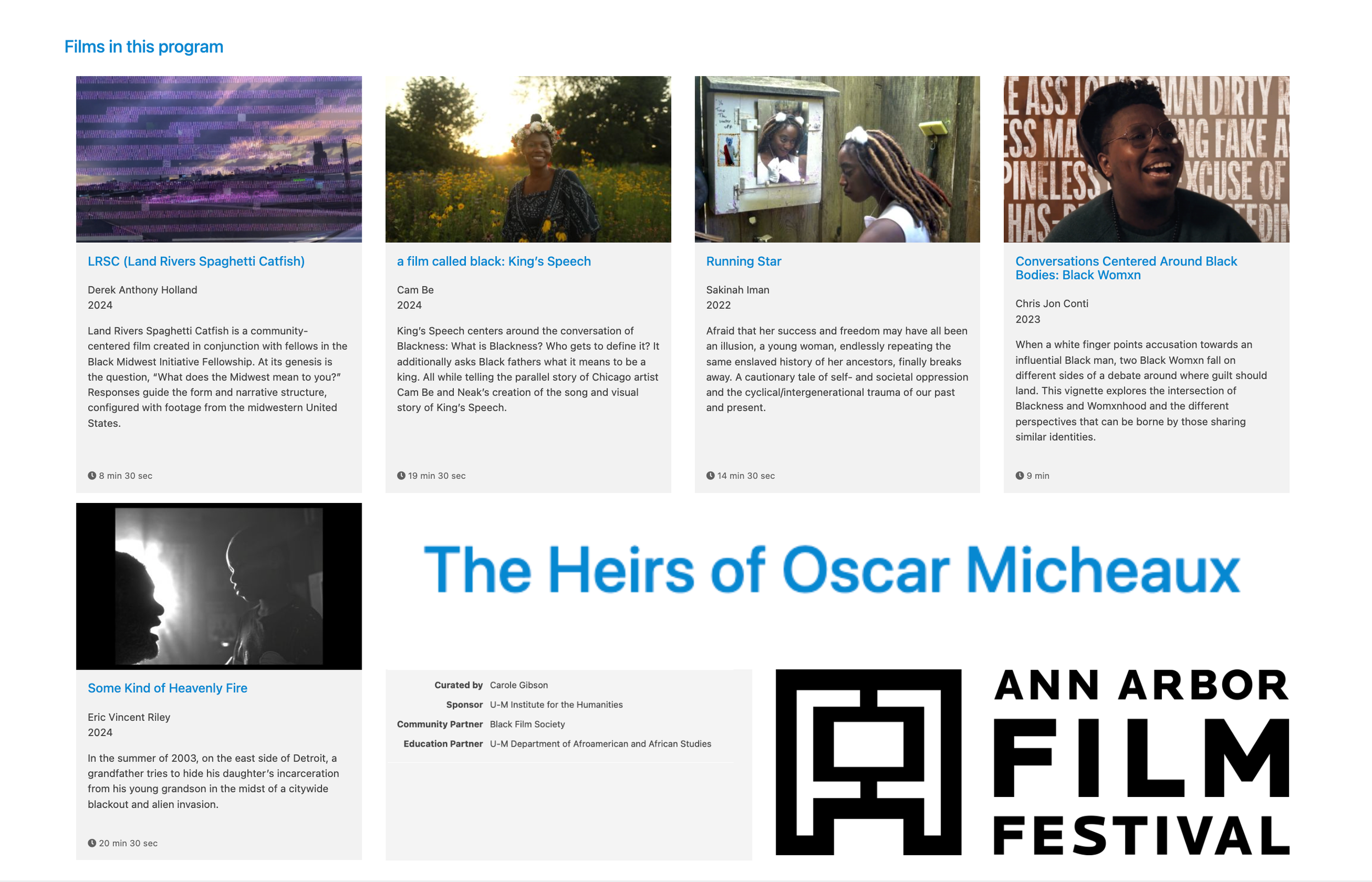
Three Filmmakers will be in attendance at the Heirs of Oscar Micheaux Showcase at the Ann Arbor Film Festival coming March 9th to the Ann Arbor Film Festival.
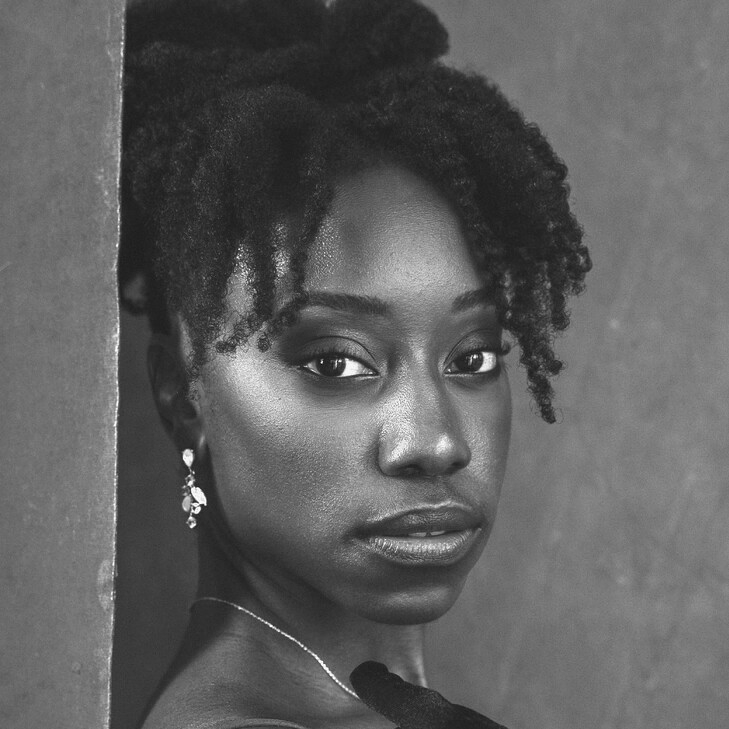
Sakinah Iman is a Caribbean-American award-winning actress, singer-songwriter, educator, spoken word artist, and filmmaker of Jamaican and Garifuna descent, proudly hailing from Brooklyn, New York. For over a decade, she has used her multidisciplinary artistry to create impactful, socially conscious work that inspires dialogue and change. Through performance mediums including spoken word, music, comedy, and drama, Sakinah has traveled internationally with organizations such as Catharsis Productions and Too Deep Entertainment, educating diverse audiences on issues like racial justice, gender equity, sexual violence prevention, and political awareness.
As an independent musician, Sakinah has performed at renowned New York City venues including SOB’s, DROM, MajorStage, and Ashford & Simpson’s Sugar Bar. Her single “Waiting Tables” reached the Top 40 on ReverbNation, and her EP Dun. has amassed over 156,000 streams across 57 countries on Spotify.
In film, Sakinah is a 25-time international award-winning filmmaker whose work has been featured in over 60 festivals worldwide. Her film He Wants To Know My Number is licensed by Showtime and Paramount+, highlighting her continued impact as a bold and visionary storyteller.
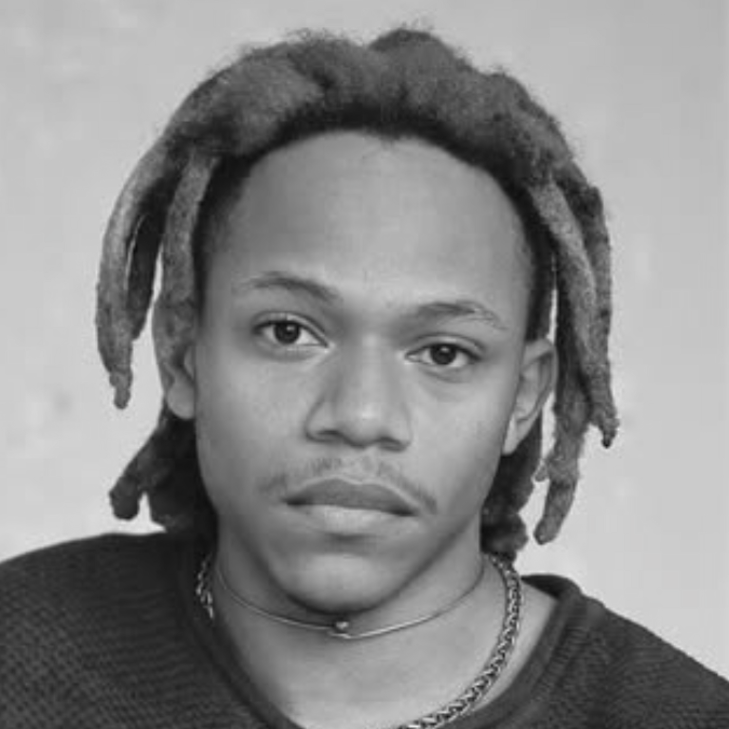
Derek Anthony Holland, MPH, MFA, is a multidisciplinary artist and researcher born in Montgomery, Alabama, and raised between the suburbs of Washington, DC and Philadelphia, Pennsylvania. Their multimedia practice explores the construction and experience of identity in the modern world, rooted in the belief that the personal is inseparable from the collective. Through daily rituals of memory, writing, sound, and audiovisual documentation, Holland gathers experiential “data” that is transformed through painting, sculpture, performance, and film. Their work interrogates how identities—particularly those shaped by race, gender, and ability—are constructed, perceived, and enacted, often guided by reflective questioning and annotated with references to past and present thinkers.
Holland’s background in public health deeply informs their artistic approach. They earned a Master of Public Health from Washington University in St. Louis, contributing to health equity research across multiple U.S. cities, and later an MFA from the University of Illinois at Chicago. A former Black Midwest Initiative Fellow and Access to Excellence Fellow, their work bridges visual art and public health discourse. Holland has exhibited nationally and internationally, with presentations at Contemporary Art Museum St. Louis, Gallery 400, and residencies in New York, Berlin, and Ciudad de Guatemala.
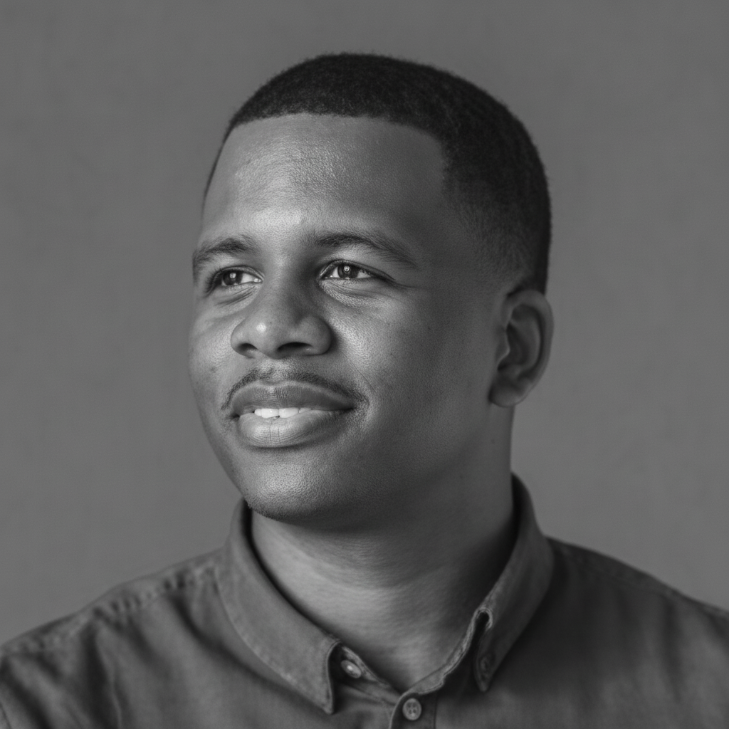
Eric Riley is a writer, director, and urban planner proudly born and raised on the Westside of Detroit. Grounded in both storytelling and spatial justice, his work reflects a deep commitment to authentically portraying communities often misrepresented on screen. Eric believes that creating narratives carries a responsibility to the people and places depicted, and he strives to craft films that immerse audiences in lived experiences rather than simply presenting them.
He earned a Bachelor of Arts from the University of Michigan and a master’s degree from the University of Pennsylvania School of Design, where he further developed his interdisciplinary approach to storytelling and urban analysis. His debut feature screenplay, Don’t Call It a Comeback, a Detroit-set gentrification heist film, advanced to the final round of the 2021 Sundance Development Track.
Eric made his directorial debut with the short film Some Kind of Heavenly Fire, a poignant exploration of grief and loss that uses alien abduction as an allegory for family separation caused by incarceration. Inspired by his own family’s experiences, the film reflects his dedication to blending emotional truth with imaginative storytelling, offering audiences a deeply human lens into complex social realities.